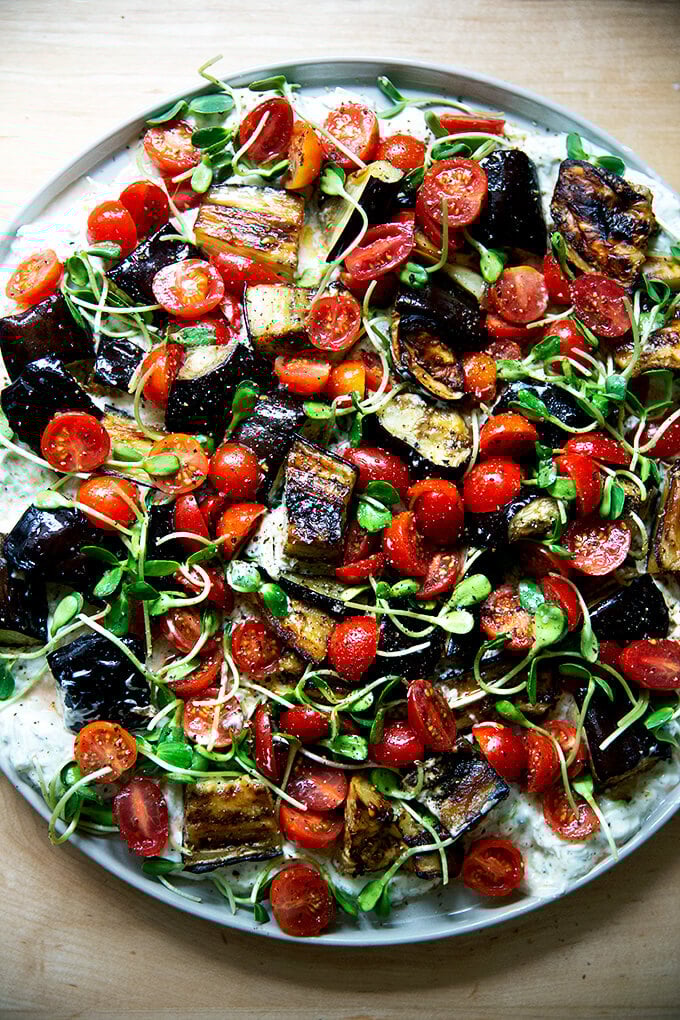
Roasted vs. Fried Eggplant: Your Ultimate Summer Salad Guide
Summer brings a bounty of fresh produce, and few vegetables capture the season's essence quite like the versatile eggplant. Its rich, meaty texture and ability to absorb flavors make it a superstar ingredient, especially in vibrant salads. But when it comes to preparing eggplant for your ultimate summer dish, a crucial question arises: to roast or to fry? Both methods transform this humble nightshade into something extraordinary, offering distinct textures and flavor profiles that can elevate any salad. This guide will delve into the nuances of each technique, helping you decide which path to take for your next culinary adventure, especially if you're aiming for that perfect
roasted eggplant salad with cucumber yogurt sauce and tomatoes, or perhaps a crispy fried alternative.
The Art of Roasted Eggplant: Unlocking Mediterranean Flavors
Roasting eggplant is a fantastic way to coax out its natural sweetness and achieve a beautifully tender, almost custardy texture without excessive oil. The high heat caramelizes its sugars, imparting a smoky depth that forms a perfect base for complex, vibrant salads. Imagine a dish inspired by the modern Middle Eastern kitchens of London, where roasted eggplant takes center stage.
To achieve this perfection, start by preparing your eggplant. Halving it lengthwise and scoring the flesh in a crosshatch pattern (without cutting through the skin) allows for better absorption of flavor and ensures even cooking. A generous brush of grapeseed or olive oil, followed by salt and pepper, prepares it for its transformation. Baking it cut-side down initially at a high temperature, like 475°F, ensures the edges and skin brown while the flesh becomes incredibly soft—a process typically taking 25 to 30 minutes.
The magic truly begins when you introduce a sophisticated tahini mixture. Whisking tahini with garlic, lemon juice, a touch of soy sauce for umami, and the distinctive tartness of pomegranate molasses creates a complex, savory, and slightly sweet glaze. After turning the softened eggplant cut-side up, this mixture is spread generously, right to the edges, and then broiled for just a couple of minutes until deeply browned and caramelized. This step is key, adding an incredible depth of flavor that complements the creamy eggplant beautifully.
The ideal counterbalance to this rich eggplant is a cooling, tzatziki-like
cucumber yogurt sauce. Made with thick yogurt, grated cucumber, fresh lemon juice, garlic, and a pinch of salt, this bracing sauce provides a refreshing contrast, cutting through the richness of the tahini. For an added layer of freshness, texture, and color, a scattering of toasted pistachios and fresh herbs like mint or parsley is essential. And to complete the picture of a truly gourmet summer salad, consider adding ripe, juicy
tomatoes – their natural acidity and sweetness provide a perfect companion to the earthy eggplant and creamy sauce. A final drizzle of pomegranate molasses and olive oil ties all the flavors together.
For a deeper dive into crafting this specific roasted eggplant masterpiece, explore our detailed recipe:
Roasted Eggplant: Tahini & Cooling Cucumber Yogurt Sauce.
Embracing Indulgence: The Irresistible Charm of Fried Eggplant
While roasting offers a lighter touch, there’s an undeniable allure to fried eggplant. This method, celebrated in many cuisines, including the vibrant culinary world of chefs like Yotam Ottolenghi, transforms eggplant into something deeply satisfying and utterly craveable. The beauty of fried eggplant lies in its texture: a delightful crispy exterior giving way to a luxuriously creamy, almost melt-in-your-mouth interior.
Eggplant, famously, is like a sponge. To prevent it from soaking up too much oil during frying and to ensure it cooks evenly, a crucial step is salting. Slicing the eggplant, salting the slices liberally, and letting them rest for 30 minutes to an hour draws out excess moisture. This not only firms up the flesh but also concentrates its flavor. After rinsing and thoroughly patting dry, the eggplant is ready for its hot oil bath. Deep-frying, when done correctly, ensures the slices cook quickly and achieve that coveted creamy texture throughout, rather than becoming greasy.
A classic summer salad built around fried eggplant often highlights the ingredient's natural richness by pairing it with fresh, seasonal components. Think of a simple yet profound combination of pan-fried eggplant with ripe, sun-kissed
tomatoes and crisp
cucumber. The freshness and slight acidity of these vegetables provide a perfect foil to the eggplant's indulgence. A light dressing, perhaps based on a tangy whole milk
yogurt or a simple vinaigrette, ties everything together, allowing the natural flavors to shine.
This approach aligns perfectly with Ottolenghi's philosophy of catching food at the peak of its season and highlighting its inherent deliciousness. While some might consider fried food "imperfect" from a health perspective, the sheer enjoyment and nutritional value derived from fresh, seasonal ingredients often outweigh the occasional indulgence. It's about balance and savoring truly good food. The rich, satisfying flavor of fried eggplant makes this type of salad a family favorite, often disappearing "in an embarrassingly short amount of time."
If you're eager to try a delectable fried eggplant creation, you might find inspiration in this recipe:
Ottolenghi-Inspired Fried Eggplant, Tomato & Cucumber Salad.
Roasted vs. Fried: A Culinary Showdown for Your Summer Plate
Choosing between roasted and fried eggplant for your summer salad boils down to a few key considerations: desired flavor profile, texture, health considerations, and the overall dish you're aiming to create.
*
Flavor Profile: Roasted eggplant, especially when paired with tahini and pomegranate molasses, offers a deeper, more complex, and often subtly smoky flavor. The high heat caramelizes its natural sugars, bringing out an earthy sweetness. Fried eggplant, on the other hand, boasts a rich, savory, and slightly sweet taste enhanced by the crispy exterior and creamy interior. It's more about the pure, unadulterated flavor of the eggplant, often with a hint of the oil it was cooked in.
*
Texture: This is perhaps the most significant differentiator. Roasted eggplant is wonderfully silky, tender, and almost melt-in-your-mouth. It integrates seamlessly into sauces and other soft components. Fried eggplant delivers a satisfying textural contrast: a slight crispness on the outside followed by a wonderfully creamy, almost custard-like interior.
*
Health & Calorie Count: Generally, roasted eggplant is the lighter option. It requires significantly less oil, making it a lower-calorie and lower-fat choice. Frying, by nature, involves more oil, leading to a higher calorie and fat content. However, as noted in the reference, enjoying a truly delicious, homemade fried eggplant salad can be a far better option than many ultra-processed alternatives, emphasizing balance and conscious eating.
*
Preparation Time & Effort: Roasting is often more hands-off once the eggplant is in the oven, allowing you to focus on other components of your meal. Frying requires more active attention to oil temperature and flipping, though it can be quicker overall for smaller batches.
Elevating Your Summer Salad Experience
No matter which preparation method you choose, a great summer salad thrives on freshness and balance. When crafting your
roasted eggplant salad with cucumber yogurt sauce and tomatoes, consider these tips:
1.
Seasonality is Key: Always use the freshest, ripest cucumbers and tomatoes available. Their peak-season flavor will make a noticeable difference.
2.
Balance is Crucial: The richness of eggplant (whether roasted or fried) needs bright, acidic, and fresh elements to cut through it. Lemon juice, fresh herbs, and the acidity of tomatoes are your best friends.
3.
Texture, Texture, Texture: Introduce elements for crunch. Pistachios, toasted almonds, or even croutons can provide a delightful contrast to the soft eggplant and creamy sauces.
4.
Herb Power: Don't underestimate the power of fresh herbs. Mint, parsley, dill, or basil can each bring a distinct aromatic lift to your salad.
5.
Dressings Beyond Yogurt: While a cooling
cucumber yogurt sauce is perfect for roasted eggplant, consider a simple vinaigrette (lemon, olive oil, a touch of honey or maple syrup) for a fried eggplant salad if you prefer something lighter or dairy-free.
Ultimately, the choice between roasted and fried eggplant depends on your mood, the occasion, and the specific flavor journey you wish to embark upon. Both methods celebrate the versatility of eggplant and offer incredible potential for crafting truly memorable summer salads.
In conclusion, both roasted and fried eggplant offer unique and delicious pathways to a fantastic summer salad. Roasted eggplant, with its smoky depth and silky texture, pairs beautifully with complex Mediterranean flavors like tahini, pomegranate molasses, and a vibrant
cucumber yogurt sauce, complemented by ripe
tomatoes. Fried eggplant, with its irresistible crispy-creamy contrast, shines alongside simple, fresh ingredients, celebrating the essence of seasonal produce. Experiment with both techniques, savoring the distinct characteristics each brings to your plate, and discover your personal favorite for the ultimate summer culinary delight.